Course Highlight:-
Course : 200 Hours Ashtanga YTTC Duration: 22 Days Date: 03rd - 25th of Every Month Certification: YOGA ALLIANCE USA Language: English Module: Residential With MealsCourse Fees
Duble Sharing Room: US $1599
Private Room:



Yoga for Intermediate
200 Hour Ashtanga Yoga Teacher Training in India

Rishivan Yoga School in India presents a comprehensive 200-hour Primary Ashtanga Yoga Teacher Training course for yogis aiming to establish a strong and thorough foundation in sustainable Ashtanga yoga practice. This program equips participants with the necessary tools and confidence to teach, catering to practitioners of all levels. Specifically designed for beginners new to Ashtanga yoga, the course focuses on providing a deep understanding and experience of the fundamentals of this ancient practice.
The 200-hour Primary Ashtanga Yoga Teacher Training course encompasses a breakdown study and practice of Ashtanga Vinyasa Primary Series, Pranayama, Meditation, Kriyas, and an Alignment and Adjustment workshop. The program is designed to prepare individuals with the essential skills and confidence needed to become a yoga instructor, propelling them forward on their personal yogic journey.
In our 200-hour Ashtanga Yoga Teacher Training course, we offer a comprehensive study and practice of the Ashtanga Vinyasa Primary Series, including pranayama, meditation, kriyas, and an alignment and adjustment workshop. This program is designed to equip individuals with the necessary tools and confidence to become a yoga teacher, guiding them on a transformative personal yogic journey. Rishivan Yoga School 200-hour yoga instructor certification course in the Ashtanga method goes beyond physical challenges, encouraging participants to practice yogic positions that invigorate the body. Additionally, it delves into philosophy and anatomy & physiology, providing foundational knowledge in this traditional health science to enlighten the mind and spirit.
Our Speciality
Ashtanga Yoga Teacher Training refers to a structured program that focuses on teaching the specific sequence of Hatha Yoga Asanas or poses associated with Ashtanga Yoga. Developed by the renowned Hatha Yoga Master of the 20th century, Yogi K Pattabhi Jois, Ashtanga Yoga follows a precise sequence of postures combined with a set of breathing techniques known as 'Ujjayi Pranayama.' The foundation of the Ashtanga yoga Primary Series can be traced back to an ancient Hatha yoga text called 'Yoga Korunta.'
Ashtanga Vinyasa Yoga Style is characterized by the synchronized practice of the yoga poses with specific breathing techniques, known as Vinyasa, promoting a continuous and rhythmic flow of breath throughout the sequence. As part of an Ashtanga Yoga Teacher Training, individuals undergo a comprehensive learning experience that includes the study and practice of the Ashtanga Vinyasa Primary Series, along with an exploration of related aspects such as philosophy, anatomy, and teaching methodologies. The goal is to equip aspiring teachers with the knowledge and skills necessary to guide others in the practice of Ashtanga Yoga and share the benefits of this traditional yoga style.
Eight Limb Of Ashtanga Yoga Course !
The Ashtanga Yoga, also known as the 'Eight Limb Yoga' system, is considered the most renowned and comprehensive yoga system worldwide. Sage Patanjali introduced this system around 3000 years ago in the famous yoga text 'Patanjali Yoga Sutra.' Patanjali, having profound knowledge of various existing yoga styles, observed a significant lack of cohesion and clarity in the principles of yoga, scattered across different texts. In response, he sought to consolidate these principles into a unified and flawless system. The result was the Ashtanga Yoga system, comprising eight limbs, which, when followed diligently, lead to spiritual and mental growth. By adhering to the eight limbs of yoga as outlined by Patanjali, practitioners can anticipate a transformative journey in their spiritual and mental well-being. The system also provides insights into the expected outcomes of various yoga poses mentioned by Sage Patanjali. Esteemed masters from the past and future have praised this system, affirming that it serves as a complete set of guidelines and a roadmap for learning Ashtanga Yoga—from its foundational aspects to the highest level of self-realization. Following these principles over time can lead an individual to become an experienced and knowledgeable yoga expert.
Objectives Of 200 Hour Ashtanga Yoga TTC Rishikesh
The primary objectives of the 200 Hour Ashtanga Yoga Teacher Training Course at Rishivan Yoga School in Rishikesh are designed to shape participants into well-rounded and complete yoga teachers, transcending beyond just teaching asanas or poses. The course emphasizes the following key goals:
- Comprehensive Teaching Skills: The aim is to equip participants with the knowledge and skills necessary to become proficient Ashtanga Vinyasa Yoga teachers, emphasizing a holistic approach to yoga instruction.
- Understanding Yoga Props: Students are instructed on the proper use of various yoga props such as blocks, wall-ropes, straps, bolsters, etc. These props facilitate proper adjustment, alignment, and a deeper comprehension of the underlying principles of Ashtanga Vinyasa Yoga.
- Global Recognition: Upon completion of the course, participants are expected to transform into well-rounded Ashtanga Vinyasa Yoga Teachers with the capability to pursue a fulfilling career as certified instructors worldwide.
- Promotion of Holistic Health: The course emphasizes that yoga is not only a physical practice but a way of life. Practicing yoga is viewed as a means to enhance immunity, improve overall health, and contribute to general well-being.
- Invitation to Join the Yoga Revolution: Rishivan Yoga School invites individuals to join the revolution of embracing yoga as a way of life. Participants are encouraged to become torchbearers for future generations, spreading the benefits of yoga and contributing to the global yoga community.
The 200 Hour Ashtanga Yoga Teacher Training Course seeks to empower individuals to become skilled and knowledgeable yoga teachers, instilling a deep understanding of the practice, and encouraging the promotion of yoga as a transformative and holistic way of life.
Yoga TTC Syllabus/Curriculum
 Yama (Restraints):
Yama consists of ethical principles and moral guidelines that govern how we interact with the external world. The five Yamas are: Ahimsa (Non-violence), Satya (Truthfulness), Asteya (Non-stealing), Brahmacharya (Moderation or Celibacy), Aparigraha (Non-attachment)
 Niyama (Observances):
Niyama involves personal practices and observances that contribute to self-discipline and spiritual growth. The five Niyamas are: Saucha (Cleanliness), Santosha (Contentment), Tapas (Discipline or Heat), Svadhyaya (Self-study), Ishvara Pranidhana (Surrender to the divine)
 Asana (Physical Postures):
Asana refers to the practice of physical postures, which is the aspect of yoga that is most commonly associated with the physical exercise in the West.
 Pranayama (Breath Control):
Pranayama involves breath control and regulation. It is the conscious and intentional manipulation of the breath to improve physical health and enhance mental clarity.
 Dharana (Concentration):
Pratyahara is the practice of turning one's attention inward, away from external stimuli. It is a preparation for meditation.
 Pranayama
Pranayama is the yogic practice of focusing on breath. Techniques of Praanaayama.
22 Days Ashtanga Yoga TTC Syllabus
200 Hour Ashtanga Yoga TTC in Rishikesh, India | 22 Days Syllabus
Our 200-hour Yoga Teacher Training in Rishikesh, India is an immersive and comprehensive residential program designed to provide participants with the necessary knowledge, practices, and skills to become certified yoga teachers. The training takes place at our Yoga School in Rishikesh, widely recognized as the world capital of Yoga and revered for its spiritual significance and abundance of esteemed yoga schools, trainers, masters, and gurus. The curriculum of our yoga teacher training in Rishikesh covers a range of essential aspects, including:
Asanas are yoga postures and the physical movements of yoga practice and, in combination with pranayama or breathing techniques constitute the style of yoga referred to as Hatha yoga. Traditionally asanas are positions, which make us fit and healthy all the way. In the yoga sutra, Patanjali describes asana as a "firm, comfortable posture", referring specifically to the seated posture, most basic of all the asanas. Normally asanas will be held for an average of two or three minutes.
- 1. Padmasana
- 2. Sukhasana
- 3. Vajrasana
- 4. Bhadrasana
- 5. Swastikasana
- 6. simhagarjanasana
- 1. Tadasana
- 2. Triyaka Tadasana
- 3. Kati Chakrasana
- 4. Trikonasana
- 5. Utkatasana
- 6. pada hasatha asana
- 1. Natrajasana
- 2. Garudasana
- 3. Uttitha Hasta Padangusthasana
- 4. Pada Angushth asana
- 5. Vriskshasana
- 6. Vatayanasana
- 7. Eka Padasana
- 8. mayura asana/vashishtha asana
- 9. Baka Dhyana asana
SITTING / MEDITATIVE POSTURES:
STANDING POSTURES:
BALANCING POSTURES:
- 1. Sirsasana
- 2. Sarvangasana
- 3. Padma Sarvangasana
- 4. vipareeta karani asana
- 5. oordhwa padmasana
- 6. Salamba Sirshasana
- 7. Halasana
- 8. karni pida asana
- 9. pincha mayura asana
- 1. Ardha Matyendrasana
- 2. Astavakrasana
- 3. Shava Udarakarshanasana
- 4. bhu naman asana
- 5. Meru Wakrasana
- 6. Parivritti Janu Sirsha asana
- 1. Janu Shirshasana
- 2. Paschimottasana
- 3. Pada Prasar Paschimottanasana
- 4. Ardha Padma Paschimottanasana
- 5. Saithalyasana
- 6. Padahastanasana
- 7. Koormasana
- 8. Supta Pawanmuktasana
INVERTED POSTURES:
TWISTING POSTURES:
FORWARD BEND POSTURES:
- 1. Chakra asana
- 2. Dhanura asana
- 3. Bhujanga asana
- 4. sarpasana
- 5. Rajkapotasana
- 6. Matsyasana
- 7. Supta Vajrasana
- 8. Ustrasana
- 9. Setuasana
- 10. Vrischikasana
- 11. kandharasana
- 12. Shalabhasana
- 1. Surya Namaskar
- 2. Chandra Namaskar
- 3. Pawanmuktasana
- 4. Marjariasana
- 5. Vyaghrasana
- 6. Hanumanasana
- 1. Balasana
- 2. Savasana
- 3. Makarasana
- 4. Shashankasan
- 5. Supta Baddha Konasana
- 6. Supta Vajrasana
BACK BEND POSTURES:
DYNAMIC POSTURES:
RELAXING POSTURES:
Pranayama is the practice of breath control in yoga.’ prana’ means breath and ‘Yama’ stands for control or discipline. Maharshi Patanjali defines it in yoga sutra’’. It refers to breathing exercises that are used for relaxation, concentration, and meditation. In modern yoga as exercise, it consists of synchronizing the breath with movements between asanas but is also a distinct breathing exercise on its own, usually practiced after asanas.
- Introduction of Pranayama
- Natural Breathing
- Abdominal Breathing
- Chest Breathing or Thoracic Breathing
- Clavicular Breathing
- Yogic Breathing or Deep Breathing
- Nadi Shodhana with inner & outer retention and Jalandar Bandha
- Anuloma Viloma
- Bhastrika
- Kapalbhati
- Shitali
- Shitkari
- Surya Bedhi & Chandra Bedhi
- Purak Kumbhak Rechak
- Ujjayi
- Kakimudhra
- Bahya Pranayama
- Karna Rogaanta Pranayama
- Benefits of Pranayama
- Breathing techniques to improve respiratory functioning
- Which in turn improves the functioning of all the systems
- Natural breath – slow, rhythmic and diaphragmatic
- Breath regulation for stress-related problems
- Importance of Kumbhak/breath retention and its applications
Padmasana, Sidhasana and Samasana are the main asanas of the Meditation sessions. By practicing these asanas, the meditation power of an individual is enhanced. The practice of these asanas should be done before performing meditation. In fact, Meditation is done by remaining constant in these asanas. It is more beneficial to perform such asanas in a completely peaceful environment.
- OM Meditation
- Mantra Chanting Meditation
- Soham Meditation
- Shiva Meditation
- Yoga Nidra Meditation
Introduction of Meditation
- Tratak (Candle) Meditation
- Chakra Meditation
- Buddha Meditation (Vipassna)
- Inner Light Meditation
- Prana Meditation
- Kundalini Meditation
- BENEFITS OF MEDITATION
- Self-observation many levels either guided or by self Learning the skill of how to guide students
- The connection between breath and meditative state Yogendra from beginners to advance level
Yoga philosophy will cover the history and science behind the study of Yoga such as the understanding of the five elementary principles of Yogic practice; breathing, proper exercise, relaxation, diet, and meditation. Part of the 200-hour Yoga Teacher training, the Yoga philosophy class aims at equipping you with in-depth knowledge and understanding of Yoga not just in terms of postures, but the 'why' behind them. This class will prepare students to study and understand Patanjali's Yoga Sutras. Once a week, students will lead a discussion reflecting on the week's readings. Before class, students should write down one question on a notecard directly related to the day's reading and give this to the teacher at the start of class. This is aimed at improving classroom engagement and retention of the day's teachings.
- Historic tradition of Yoga
- Shiva and Shakti concept
- i. The four path of Yoga Sutra
- ii. The discipline of life
- i. Introduction and Meditation
- ii. Sthita and Prajna
Why is Yoga?
Yoga Sutra
Bhagavad Gita
- iv. Path of Devotion and Royal Path
- v. The Profound Knowledge of Three Gunas
- vi. The Knowledge of Field
- i. Introduction to Samkhya
- ii. Cause of Pain and Way of Self-realization
- iii. Karma and Sanskara
- iv. Stages of consciousness
Samkhya
- i. Introduction of Tantra
- ii. Vijnana Bhairava Tantra
- i. The Art of Kundalini Yoga
- ii. The Kundalini Yoga works with Kundalini Energy
- The concept of mind, senses and soul
Tantra
Kundalini Yoga
Posture can be described as a mental, emotional expression. It connects subtle physical activities that affect our mind, pranic body, internal organs and concentration. There are hand postures, body postures and facial postures; Thus, Hasta Mudra is the most famous. When mudras are practiced at the highest level, they awaken prana, chakra and kundalini, which can bestow specific powers. Mudra manipulates prana and ultimately our nadi and chakra.
- Moola Bandha
- Uddiyana Bandha
- alandhar Bandha
- Maha Bandha
Introduction of Mudra
- Yoga Mudhra
- Nasagra Mudhra
- Gyana Mudhra
- Hridaya Mudhra
- Bhairava Mudhra
- Jnana Mudhra
- Prana Mudhra
- Singha Mudhra
Kriya usually refers to a "complete action" technique or practice within a yoga discipline intended to achieve a specific result. Another meaning of Kriya is the external physical manifestation of the awakened Kundalini, such as a spontaneous physical activity related to the Kundalini energy flow. Kriya Shakti is "a power of thought", which is said to have been much studied by yogis. Purity of body encourages purity of mind. The practice of Kriyas can cure many mental and physical diseases.
- Neti Sutra Neti
- Nauli Tratak
Jala Neti Rubber
- Bahya Kumbha
- Agnisara Kunjal
- Vastra Dauti
- Sankaprakchalan
Yoga is the study of anatomy that traces the subtle currents of energy running through the three layers of the body. Yoga anatomy involves breathing exercises, adjustment of the muscles and skeleton, and correcting improper alignment of the body. The anatomy of yoga is a valuable resource that allows you to approach each movement differently. This approach will logically take you through the rich medium of musculoskeletal anatomy, bring academic discourse to life, and allow you to understand the architecture of the body and work with its safety.
Students will learn anatomy and physiology related to yoga to reinforce class discussions and improve posture. If your goal is to become a yoga practitioner, it is essential to understand the functioning of the human body. Yoga involves stretching that loosens and realigns muscle fibers. A strong understanding of anatomy will help you become more attuned to your body and the changes that occur within it.
We'll examine the history and science behind yoga, including the five primary principles of yoga practice: breathing, exercise, relaxation, diet, and meditation. Part of the 200-hour Yoga Teacher Training, the Yoga Philosophy class aims to equip you with a more in-depth knowledge and understanding of yoga asanas and the 'why' behind them. This class will prepare students to study and understand the Yoga Sutras of Patanjali. Before class, students should write a question directly related to the day's learning on a notecard and turn it in to the teacher at the beginning of class. Its purpose is to improve class engagement and retention of the day's lessons.
- i. Anatomy and respiratory of physiology system
- ii. Effect of Yoga practices and physiology of Pranayama
- 2. Skeleton Systems
- i. Anatomy and biomechanics of joints
- ii. Safe way of adjustments and modifications of asanas
- 3. Cardiovascular Systems
- i. Structure and physiology of heart and blood vessels
- ii. Blood pressured and effect of yoga practices
1. Respiratory Systems
- 4. Digestive System
- i. The work of Digestive System in the body
- ii. How Digestion Effect Yoga
- 5. Endocrine Systems
- i. The works of the Glands in the body
- ii. The Action of Hormones
- 6. Nervous System and Plexus
- i. The Nadis and Nerves
- ii. The Function of Nervous Systems
- 7. Muscular Systems
- i. The Functions of Muscular & Skeletal System
- ii. The Effect of Yoga and Muscular System
- iii. Muscular and Skeletal System effect the Posture of the Body
A Mantra is a sound that helps to keep your mind focused. Practicing mantras throughout life can be helpful to keep you focused, but they become especially helpful during your yoga and meditation practices. Mantras like om, Radhe Radhe, hare Krishna, etc helps to make your mind and soul peaceful. In Rishivan Yoga Schoolmantra chanting is done to regenerate the mental powers in the human body.
- Shiva Mantra – Karpoora Gauram
- Santhosham
- Santhi Mantra
Ganesha Mantra -Vakratunda Mahakaya
- Mangalam Mantra
- Samarpanam Mantra
- Twameva Sarvam Mantra
- Om Mantra
- Vaidika Shanthi Mantra (Dyoho Santhir Antararikagum)
- Kirthana
Ayurveda or Ayurvedic medicine is a system of traditional Hindu medicine native to the Indian subcontinent. Contemporary practices derived from Ayurvedic traditions are a type of alternative medicine. Ayurveda is a discipline of the upaveda or "auxiliary knowledge" in Vedic tradition. The origins of Ayurveda are also found in the Atharvaveda, which contains 114 hymns and incantations described as magical cures for disease. Since then Ayurveda has stood for the wholesome physical, mental and spiritual growth of humanity around the world. Today, it's a unique, indispensable branch of medicine, a complete naturalistic system that depends on the diagnosis of your body's humours - vata, pitta and kapha - to achieve the right balance.
- The sub-doshas 1
The holistic health
- The sub-doshas 2
- Fasting (colon cleansing)
- Panchakarma 1 & 2
Here at Rishivan Yoga School, we provide the training of how to teach. Through the courses, we improve and develop the skills of yoga teachers by teaching them with new methodology of yoga. Our special training includes 200 hours,300 hours and 500 hours. There are various programs that contain meditation, exercises, asanas, and chanting. Modern methods are used for teacher training with the taste of old ones.
- Lesson plan and Sequencing of practices
- Class management to the observation
- Art of Demonstrations, Assistance, and correction
Ethical guidelines for a Yoga Teacher
- Concept of Alignment, at all the possible levels
- Deep causal body relaxation
- Point to point full body relaxation technique
- Yoga Nidra for insomnia
- Emotional body relaxation
- Point to point full body relaxation technique
- Yoga Nidra for insomnia Emotional body relaxation
- Minor and major chakra relaxation
Yoga TTC Course Date
200 hour Yoga Teacher Training in Rishikesh, India offered by Rishivan Yoga School. Certified by Yoga Alliance, USA
Yoga TTC Shedule
The 200 hour Yoga Teacher Training Course at Rishikesh Rishivan Yoga School follows a strict schedule in compliance with Yoga Alliance standards. Nearly 6 to 7 hours of training time are assigned to some aspect of yoga each day. You could find the training intensive but enlightening.
| Time | Activity | Course Includes | Beyond the Courses & Excursions: |
| 05:30 am | Wake Up | 22 Nights of Private or Shared Accommodation | ✔ Opening Hawan (Fire Ceremony) |
| 06:00 am | Herbal Tea | Free Pickup from Dehradun Airport | ✔ Parmarth Niketan Ashram (Ganga Aarti) |
| 06:15 am | Nasal Cleansing | 3 Times Daily Nutritious Vegetarian Meals and Herbal Tea | ✔ Kunjapuri Temple Tour (Sunrise view) |
| 06:30 am | Mantra Chanting & Pranayama | Cleansing Kit | ✔ Outdoor Yoga by the Ganges |
| 07:30 am | Yoga Asana | Training Manual and study material | ✔ Meditation Cave Tour (Mouni/Vashishtha) |
| 09:00 am | Breakfast | 24/7 support during your stay at the School | ✔ 13th floors Bhootnath Temple (Sunset view) |
| 11:00 am | Yoga Philosophy | Theoretical and Practical Skills | ✔ 100 Years old Beatles Ashram |
| 12:00 pm | Yoga Anatomy | Wifi Access | ✔ Classical music concert (with Gurukul students) |
| 01:30 pm | Lunch | Weekend Excursions | ✔ Dance Class (Bollywood, Classical) |
| 02:30 pm | Self study / Assignment | Kirtan and Movie Night | ✔ Satsang Retreat by the Ganges |
| 03:30 pm | Alignment and Adjustment | 24 X 7 CCTV Surveillance | ✔ Beech Yoga |
| 05:00 pm | Yoga Asana | Air fare (Not Included) | ✔ Yoga School certification |
| 06:30 pm | Meditation | Private Accommodation Avilable | |
| 07:30 pm | Dinner | Room Heater - 100 USD Extra (Not Included) | |
| 10:45 pm | Lights Out | Air-conditioner- 100 USD Extra. (Not Included) |
Here You Get Best Facility In Rishikesh
Accommodation & Food - Rishivan Yoga School
Accomodations
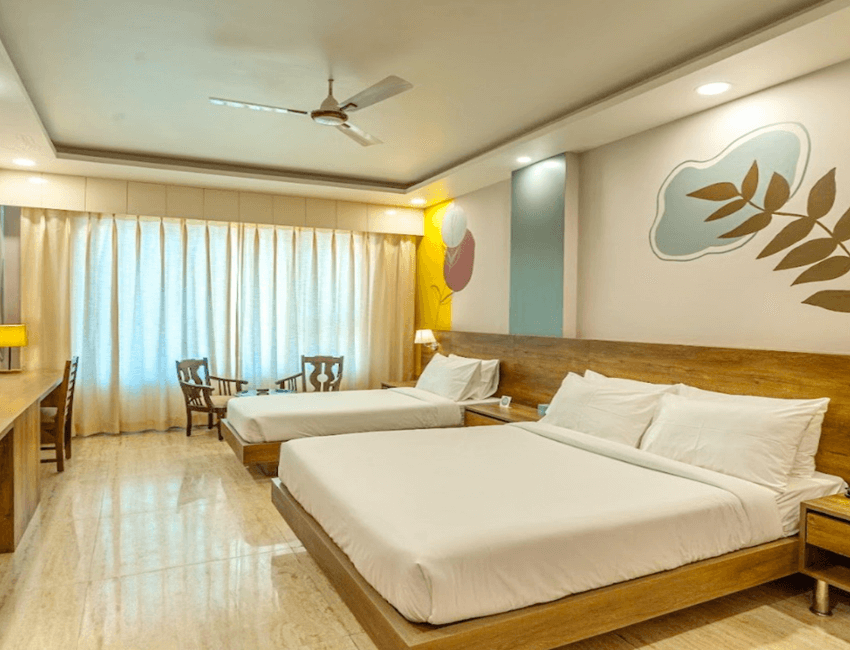
We provide spacious Accommodations with stunning mountains and furnished with comfortable beds, cupboards, hot-water baths Accommodations, and Wi-Fi, are near shopping outlets for your personal needs as well as shopping centers, grocery stores, and restaurants. The accommodation is located in a peaceful place close to nature at the foot of the surrounding hills. All Accommodations are fully ventilated to open air and atmosphere. During winter from November to February - comfortable winter blankets are provided.
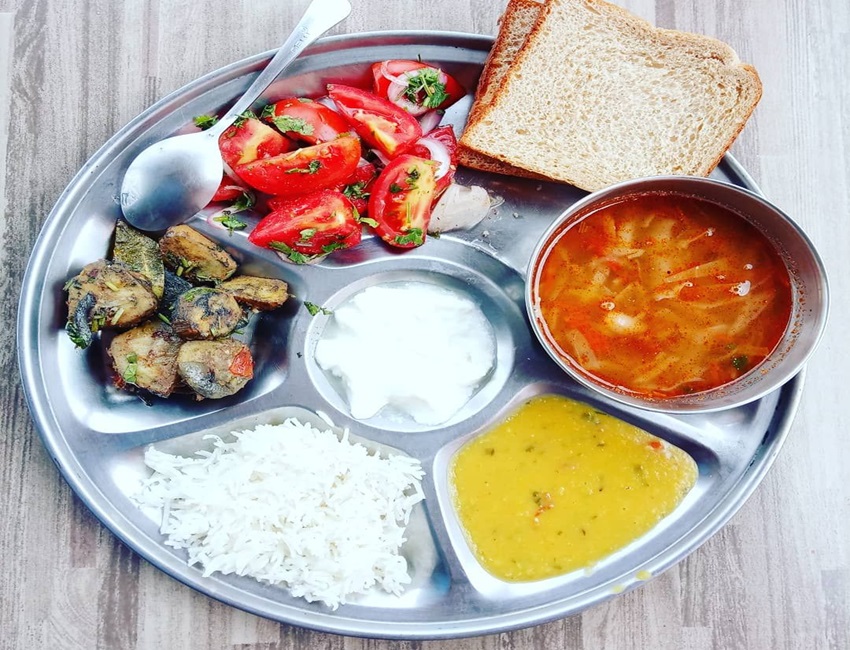
All throughout, we provide the best accommodation facilities and Delicious, Sattvic Food.- Simple and clean accommodation.
- Accommodation comprises single rooms and double shared rooms. All rooms have attached bathrooms. The bathrooms are equipped with western toilet seats and cold showers. Hot water is always available.
- Absenting oneself from the scheduled program without prior permission of the teacher or manager concerned would be construed as a gross breach of discipline.
- Air conditioning facilities are available at an additional cost.


FOOD FOR YOGI
Sattvic Lifestyle is incomplete without Sattvic Bhojan. It is extremely right to say that Yogic food can bring huge changes in your life, because this kind of food is organic, and it brings peace to your body and mind.
The following meals are included:- Brunch - 10:15 AM - 12:00 NOON
- Tea - 01:30 PM - 02:00 PM
- Dinner - 06:30 PM - 7:30 PM
This food is essential to relieve all the toxicity of your body parts. We prepare this food with a blend of Yogic and Ayurvedic touch. It is super healthy for you, and it brings a boost of energy to perform daily task of life with more ease.


YOGA REVIEWS - ON GOOGLE, FACEBOOK & TRIPADVISOR
Students Reviews & Testimonials: Rishivan Yoga School, India
We at Rishivan Yoga School Yoga School provide various services to the nature of the clients. Wish how you would like to spend the time here
we can talk and come to a conclusion.


Sarah Jones
Austria
Let me begin this feedback with the deep thanks for the team of organizers and pedagogues, 🙏 You were maximized to make this course deeper, informative, more spiritually and you succeeded! Of course, there is always a place where you always grow, because it’s our main goal on the Earth😁 I'm very pleased and I have for this course only a positive, warm, warm feelings!...
Carrie Chan
South Korea
I did my 200h Yoga training with Rishivan Yoga School on June. It was a wonderful experience. I have learned to many things. I am so happy for choosing them as Yoga School in Rishikesh. The food quality was good as well as the commodation. They gave us free ayurvedic massages and the formation it self was well structured. Thank you very much for this beautiful experience. I hope to see you soon again. Namaste 🙏 ️😊

Lívia Jankovičová
Spain
I visited the Rishivan Yoga School twice. The first time i did 200 hours TTC and the month spent there completely changed my life and the big Thanks belongs to this school. I really love this place and the people there, Dherindra Ji the another great teachers, the kitchen guys :) they all create the amazing atmosphere. ...

Fernanda Dias
England
I did a lot of Schools research in Rishikesh for my 200 hrs TTC yoga teacher training and by advise of a yoga teacher in Ireland I decided to do my training at Rishivan Yoga School, and I can say that joining this family was one of the greatest experiences in my life. All the knowledge I have gained with great masters and yogis will be...
What's More In The Bucket?
Other Yoga Teacher Training Programs In Rishikesh, India


